| Topics |
|---|
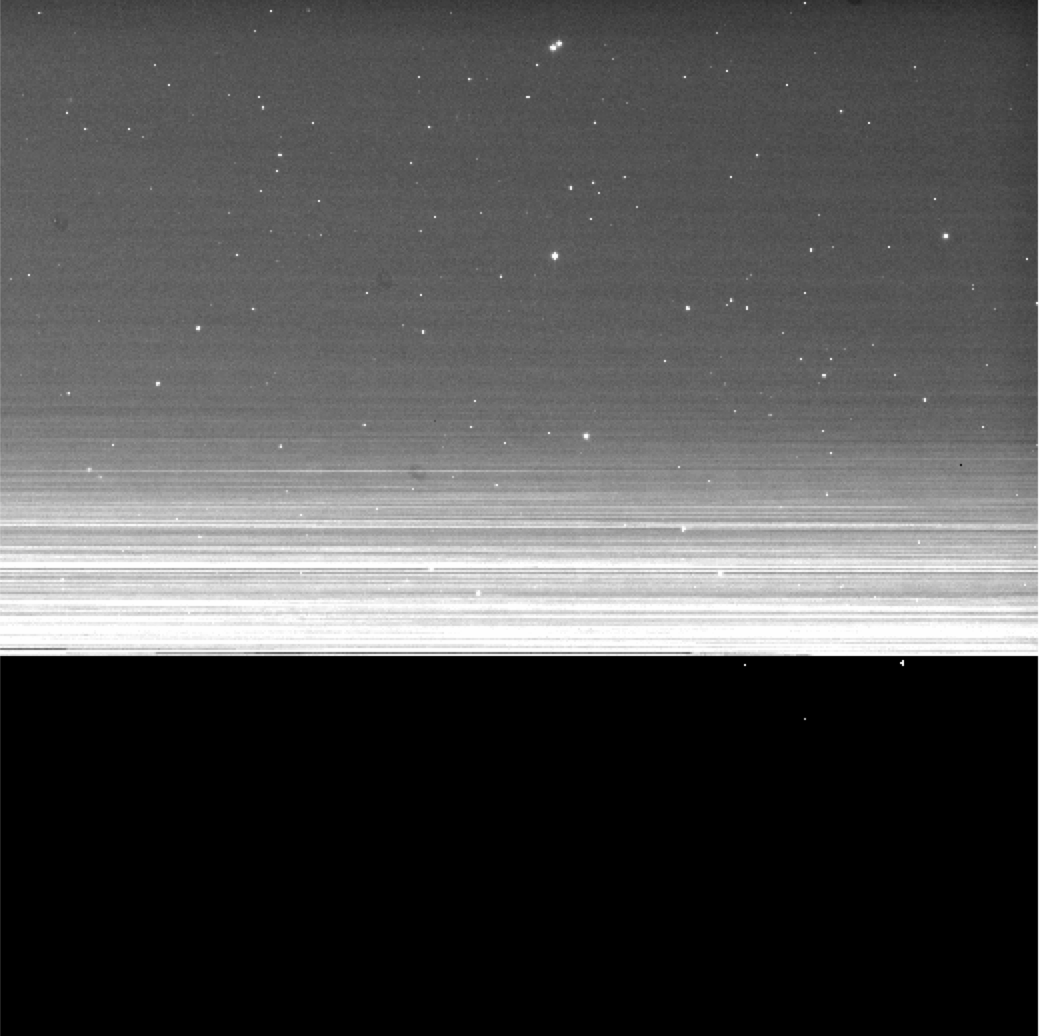
| Results of bad bias images images. |
| Images with channel crosstalk. |
| Images with crosstalk artifacts. |
| Images with bad readout. |
| Images with streaks. |
| Images with satellites streaks. |
| Images with clouds. |
| Images with poor focus. |
Identifying ZTF Image Artifact (June 2026)Bad images due to errors in the bias images

Bad ZTF bias image and the resulting science image.
Electronic Crosstalk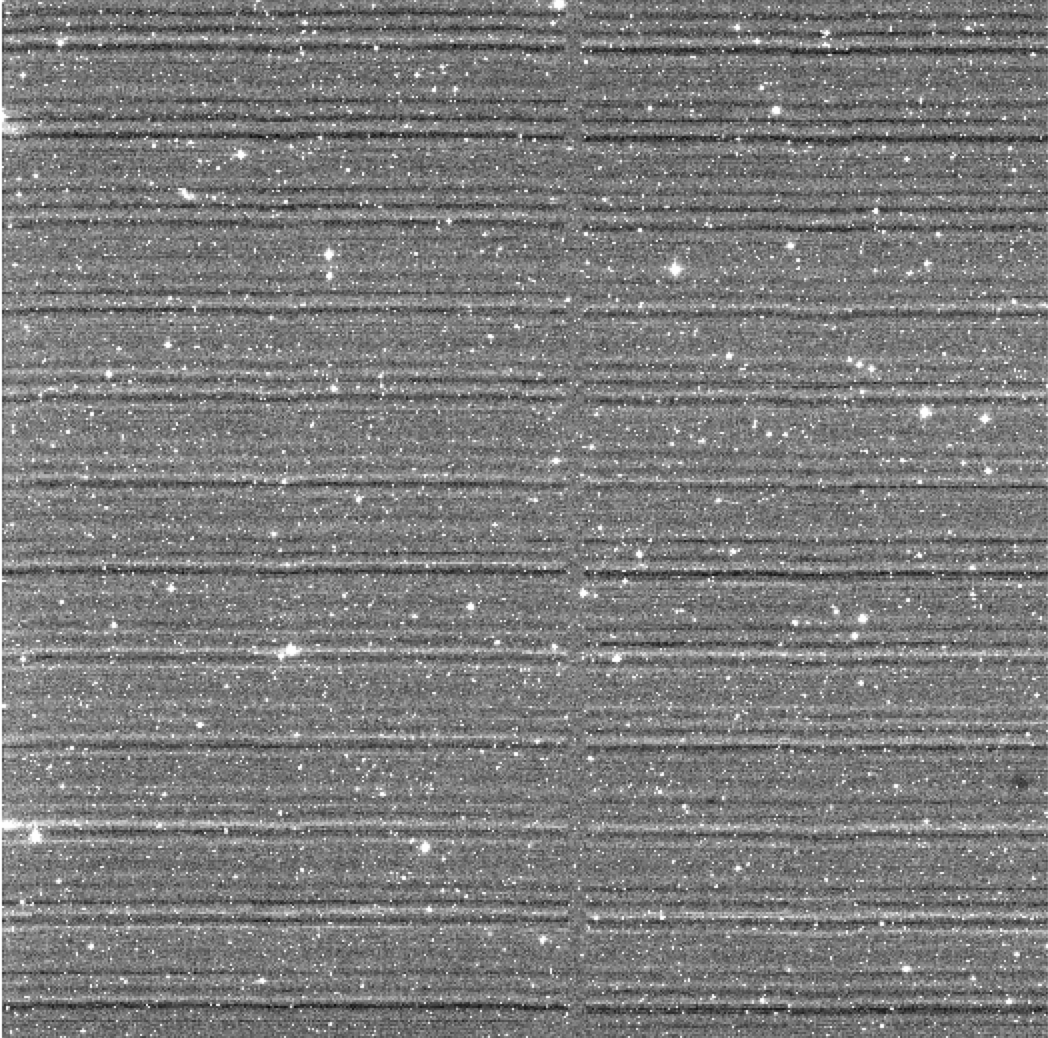
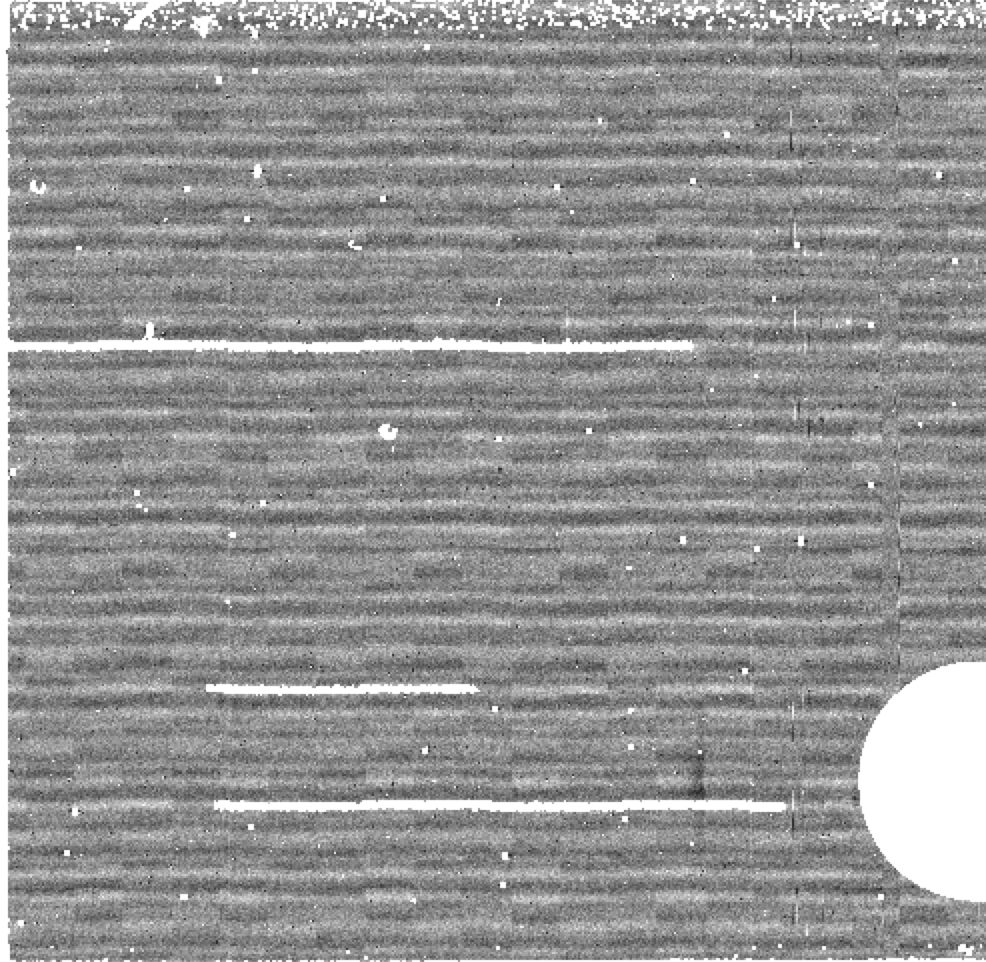
 
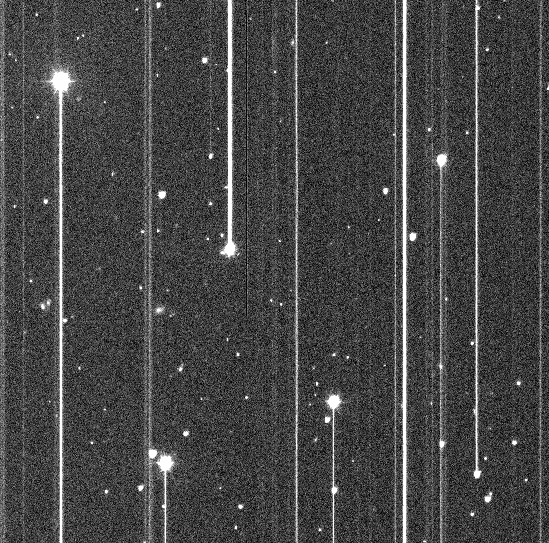
 Crosstalk noise between electronics. Crosstalk Artifacts
 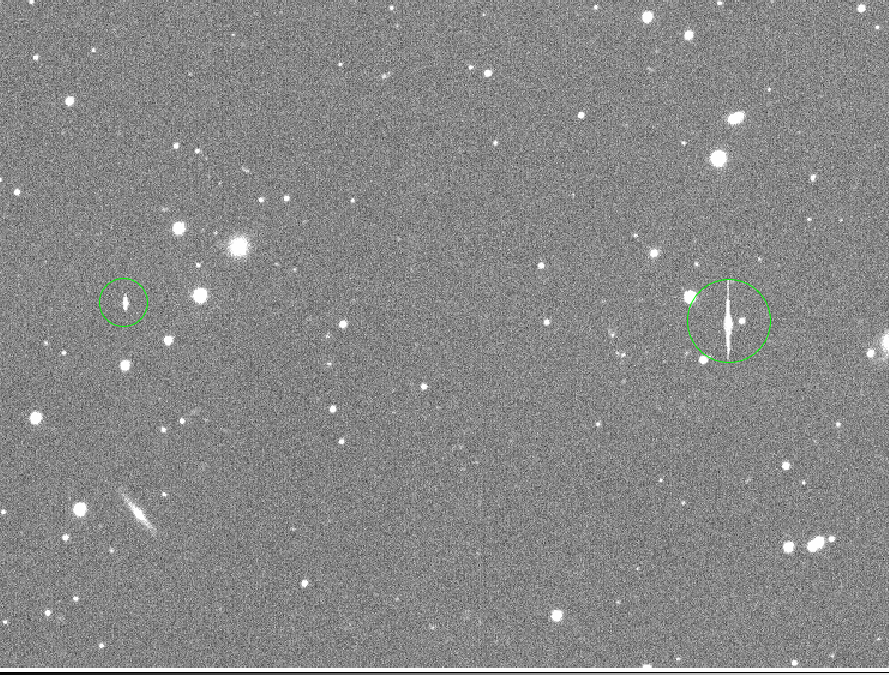
 Crosstalk from saturated sources in other CCD readout channels during readout. CCD Readout Errors


Bias frame errors.

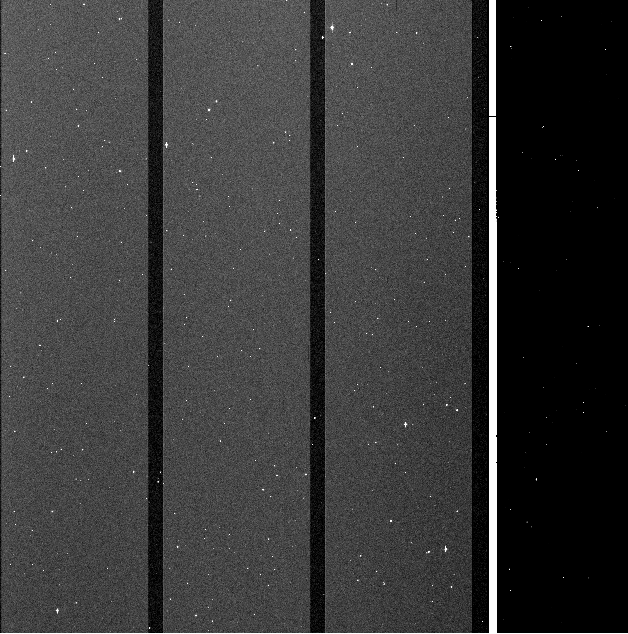
 Science image with shifted readout of CCD pixels.
 Saturated stars appears as UFOs after ZTF camera restarts. Further details. Streaked ZTF images Montage of image trails from 2026-01-11 due to exposure sync issues between CCDs. Exposures occured during the telescope slew. Streaked ZTF science images across many nights
Images with curved streaks due the shutter being open while the telescope is slewing between fields. Streaks in one direction ending in a star mean the shutter was open at the start or end of an exposure. Trails in two directions mean the shutter was open before the telescope settled and after in started slewing to the next field. Short streaks but no star mean the shutter was open for a short time during the slew. Satellite streaks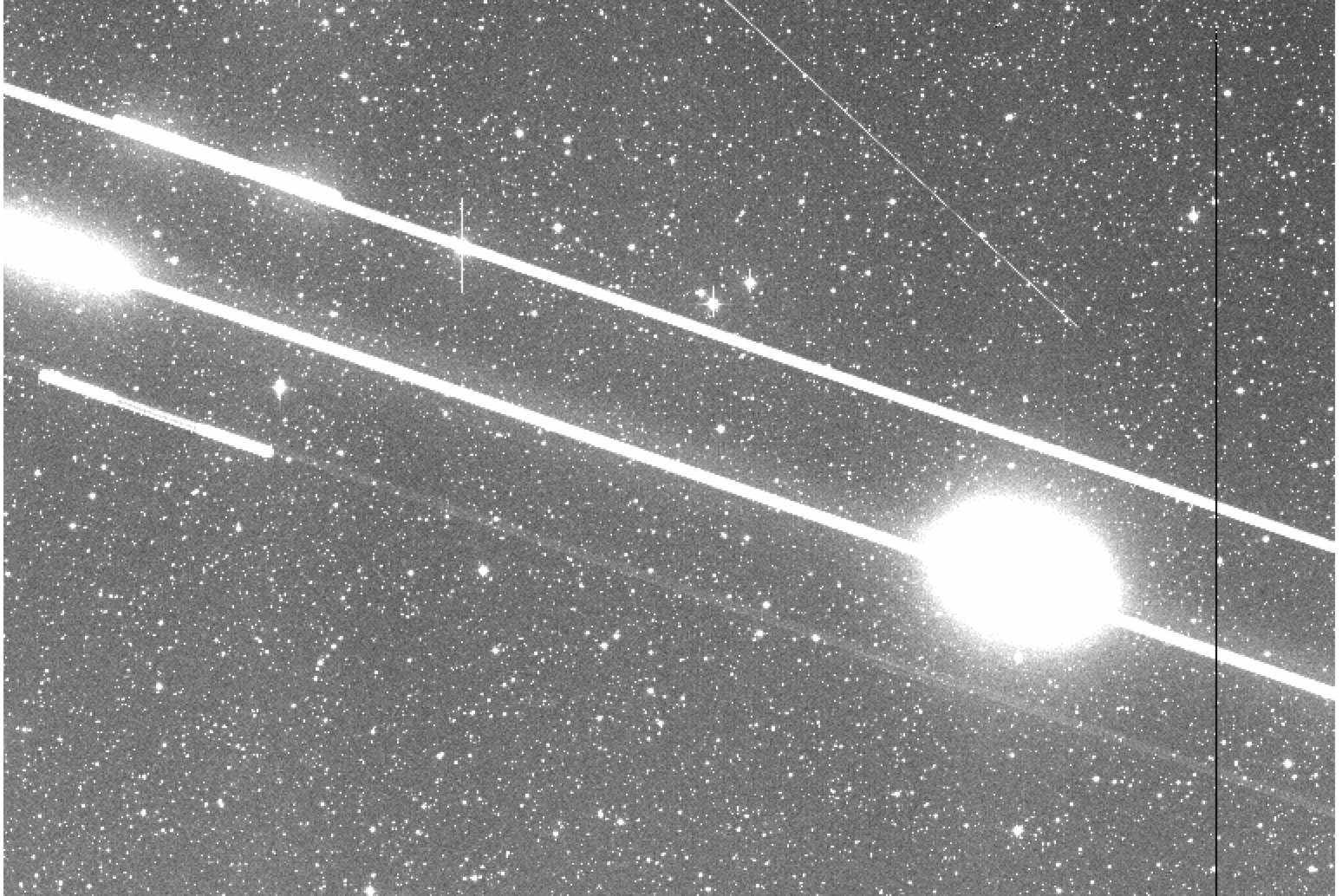 Trails from very bright (starlink?) rotating satellites from 2024-12-03. Satellite trails form straight lines across images that do not end at stars. They may not cross the full image because the exposure can end during their transit. Meteor trails appear similar, but often brighten as they transit the image and may end in a bright tail. Clouds A ZTF with strongly varying background due to clouds. Focus A ZTF with strongly moon-shaped stars due to poor focus. This is typical on the edges of frames and common at high airmass.
| ||||||||||||||||||||||||||||||||